Growing Herbs in Small Backyard Spaces
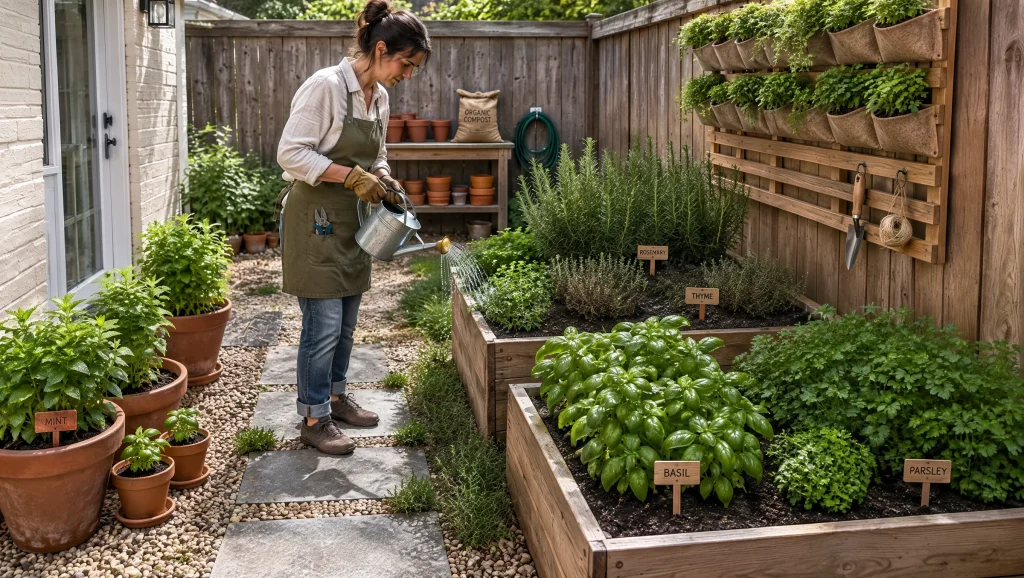
A small backyard can become a refreshing green space with just a few carefully selected plants. Even narrow corners, patios, and unused outdoor areas can support a productive herb garden. The secret is making smart use of available space while understanding what each plant needs to grow.
Small Backyard Herbs offer a simple way to enjoy fresh ingredients without needing a large garden. With suitable containers, healthy soil, and proper sunlight, homeowners can grow useful herbs in compact outdoor spaces. A little planning can make everyday gardening easier and more rewarding.
Challenges of Growing Backyard Herbs
Growing herbs in a limited backyard requires thoughtful decisions about space, sunlight, and soil conditions. Unlike traditional garden beds, small planting areas offer less flexibility when arranging different varieties. Applying practical Container Gardening Tips can help homeowners make better use of every available corner.
Before choosing plants, consider how much sunlight reaches your backyard and where containers can fit comfortably. Pay attention to drainage and airflow because crowded arrangements can create problems for growing herbs. Understanding these conditions will help you create a healthier and more manageable garden.
Working with limited garden space
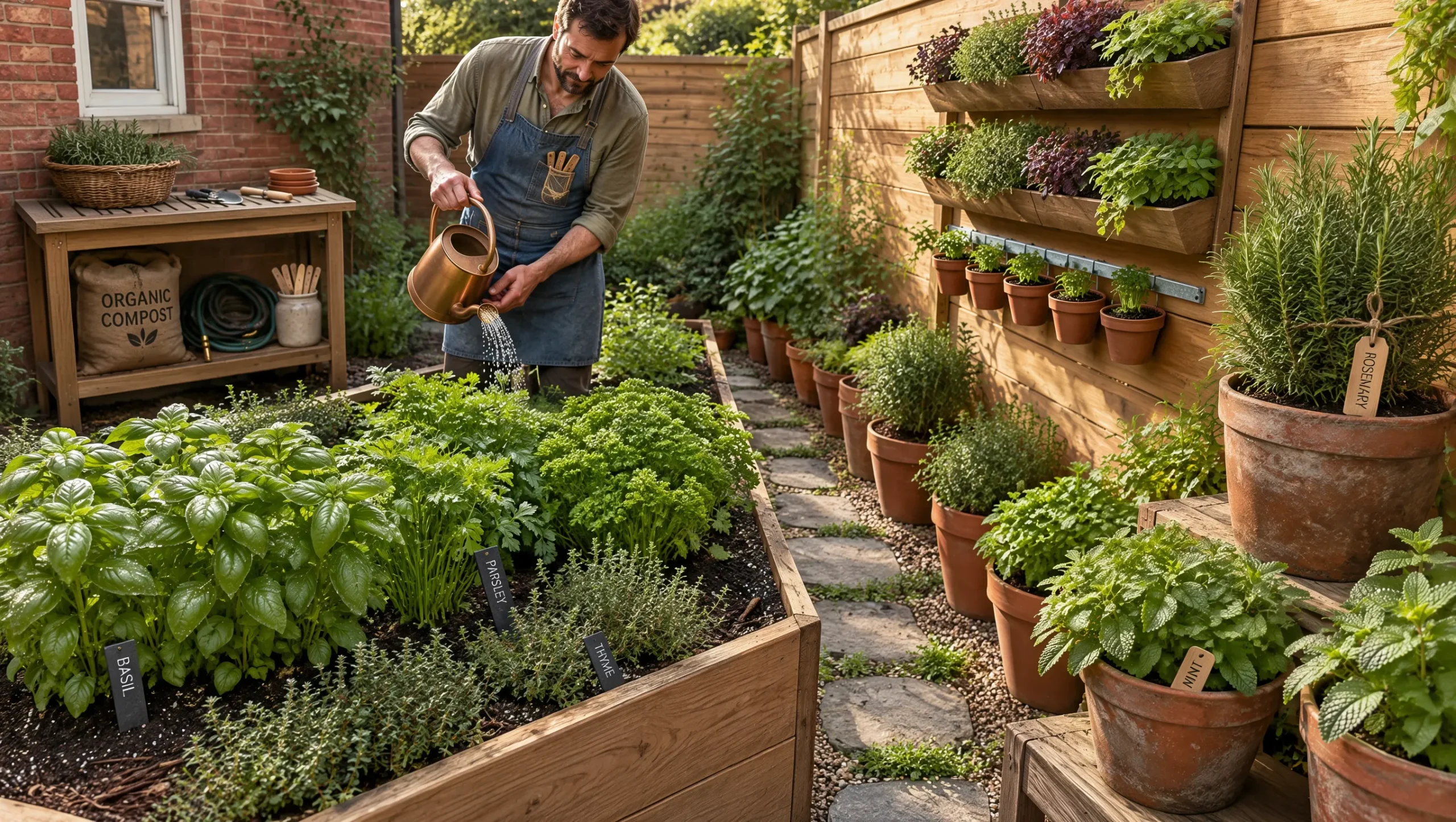
Limited space does not mean giving up on growing fresh herbs. Hanging baskets, vertical planters, and narrow shelves provide additional planting areas without taking up much floor space. Start with a few frequently used varieties, such as basil, parsley, and thyme, to keep your garden organized.
Identifying suitable sunlight
Most culinary herbs grow best with sufficient natural light throughout the day. Many varieties need around six hours of direct sunlight, although some can tolerate partial shade. Observe your backyard at different times to identify the brightest locations before arranging your containers.
Managing soil and drainage
Healthy herbs need soil that retains enough moisture without becoming waterlogged. Heavy garden soil can become compacted inside containers and restrict healthy root development. Choose a lightweight potting mix with good drainage to create better growing conditions.
Setting Up a Small Herb Garden
Once you understand your backyard conditions, you can start creating a practical planting arrangement. The right containers and growing materials make a noticeable difference in how easily herbs establish themselves. According to University of Missouri Extension horticulturist David Trinklein, “Containers give you more ‘bang for the buck’ than beds and borders, especially in high pedestrian traffic areas.”
Choosing compact growing containers
Small pots, rectangular planters, and hanging baskets are useful options for compact gardens. Choose containers according to the mature size and root requirements of each herb rather than appearance alone. Make sure every pot has drainage holes to prevent excess water from collecting around the roots.
Preparing suitable potting soil
Good potting soil supports healthy root development and helps maintain consistent moisture levels. Select a well-draining potting mix instead of using ordinary backyard soil, which may become too dense. Adding suitable organic matter can also improve soil structure and provide additional nutrients.
Grouping compatible herb varieties
Growing compatible herbs together can save space and create an attractive arrangement. Rosemary, thyme, and oregano generally prefer well-drained conditions, while basil and parsley benefit from more consistent moisture. Keep mint in a separate container because its spreading roots can quickly compete with neighboring plants.
Maintaining Healthy Herb Growth
After planting, regular maintenance helps keep your herb garden productive throughout the growing season. Small containers may dry out faster than traditional garden beds, making regular observation especially important. Pay attention to changes in soil moisture, leaf condition, and overall plant growth.
Establishing regular watering habits
Herbs need consistent moisture, but their watering requirements vary depending on the variety and weather. Check the upper layer of soil before watering to determine whether the plants need additional moisture. Water thoroughly and allow excess water to drain instead of leaving containers sitting in water.
Pruning herbs for fresh growth
Regular harvesting can encourage many herbs to develop fuller growth and produce fresh leaves. Use clean gardening scissors to remove selected stems without taking too much from one plant. For basil, pinching the growing tips can encourage branching and prevent excessive flowering.
Monitoring common plant problems
Yellowing leaves, unusual spots, and visible pests can indicate that something is affecting plant health. Inspect your herbs regularly and remove damaged leaves when necessary. Maintain adequate spacing and avoid excessive watering to reduce common growing problems.
Turn Your Small Backyard Into a Herb Garden
A productive herb garden does not depend on having a spacious backyard or expensive gardening equipment. The right plant selection, suitable containers, and consistent maintenance can transform even an overlooked outdoor corner. Master gardener Brenda Beckham explains, “Containers need to be big enough to hold the plant’s root mass and small enough to be portable. And they need drainage holes.” Start with a few herbs that you regularly use in your kitchen and expand your collection as you gain experience. Give your small backyard a fresh purpose by growing herbs and enjoying homegrown flavors every day.