Choosing Curtains for Small Living Rooms
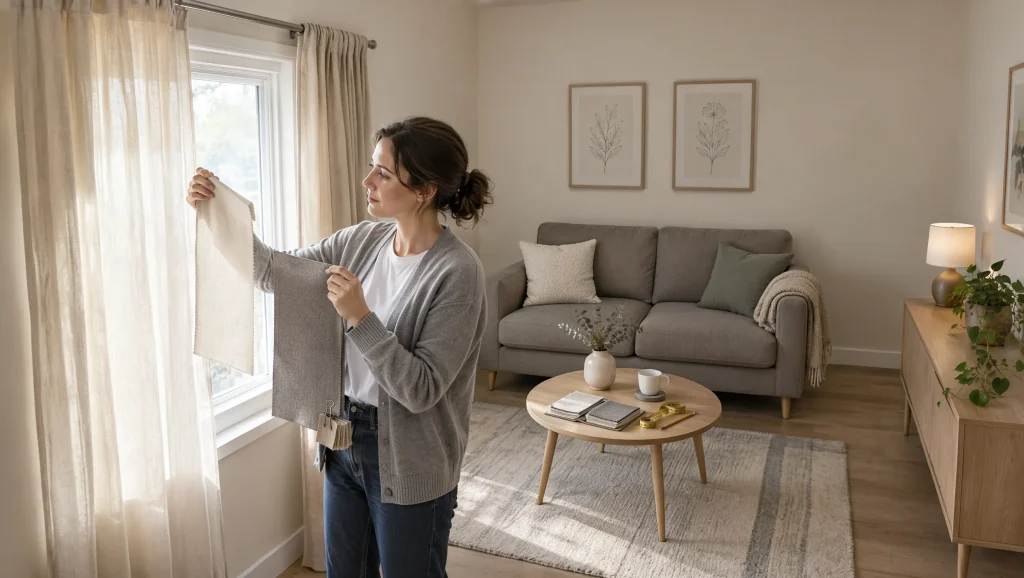
A small living room can feel crowded when its curtains are too bulky, dark, or poorly fitted. The right window treatments can make the space feel brighter, taller, and more comfortable without changing the furniture layout. With a few thoughtful choices, you can improve privacy while keeping the interior visually open.
Small Living Curtains should complement the room’s dimensions, existing decor, and natural lighting. Choosing suitable colors, lightweight fabrics, and practical installation styles helps create a balanced interior. The goal is to make your windows attractive without allowing curtains to overwhelm the available space.
Curtain Basics for Small Living Rooms
Choosing curtains starts with understanding how your windows relate to the surrounding walls and furniture. Incorrect measurements or oversized panels can make a compact living room feel even smaller. Small rooms need suitable curtains that provide enough coverage while maintaining a comfortable and open atmosphere.
Consider your daily activities, privacy requirements, and the amount of daylight entering the room. These details help determine the most appropriate curtain dimensions and design. A well-fitted option can improve both functionality and visual balance.
Measuring Curtain Width and Length
Start by measuring the window width and the distance between the curtain rod and the floor. Choose panels wide enough to create natural folds without producing excessive fabric. For a taller appearance, consider curtains that reach close to the floor rather than stopping awkwardly above it.
Matching Curtains to Room Size
Curtain proportions should complement the window and available wall space. Oversized patterns and excessively full panels can overwhelm a compact interior. Simple designs with balanced dimensions create a cleaner appearance and allow other decorative elements to stand out.
Balancing Privacy and Natural Light
Natural light can make a small living room feel more welcoming, but privacy remains important. Sheer curtains allow daylight to enter while reducing direct visibility from outside. If additional coverage is necessary, combine them with thicker panels that can be closed when needed.
Choosing Curtain Colors and Fabrics
Color and fabric influence how spacious your living room feels throughout the day. Heavy materials and strong visual contrasts can make a small window area appear more dominant. Selecting softer tones and appropriate textures helps maintain a comfortable atmosphere.
Consider how curtains interact with wall paint, sofa upholstery, flooring, and other decorations. Coordinated choices create a connected interior instead of dividing the room visually. This approach also supports Space Saving Decor without sacrificing personal style.
Using Light Colors to Open Up Small Spaces
White, cream, beige, and soft pastel shades can create a brighter atmosphere. These colors work particularly well when they complement the surrounding walls. Matching curtain tones with nearby surfaces can reduce strong visual boundaries and make the room feel more spacious.
Choosing Lightweight Fabrics
Linen, cotton blends, and sheer polyester are practical options for compact living rooms. Their lighter construction creates softer folds and allows more daylight to pass through. Interior designer Liz Williams recommends sheer curtains when homeowners want to maintain an airy atmosphere without unnecessary visual weight.
Matching Curtain Textures With Living Room Decor
Texture adds character without requiring bold patterns or additional decorations. Linen works well with natural wood furniture, while smooth cotton blends complement contemporary interiors. Choose subtle textures that coordinate with existing cushions, rugs, and upholstery to maintain a consistent appearance.
Exploring Space-Saving Curtain Styles
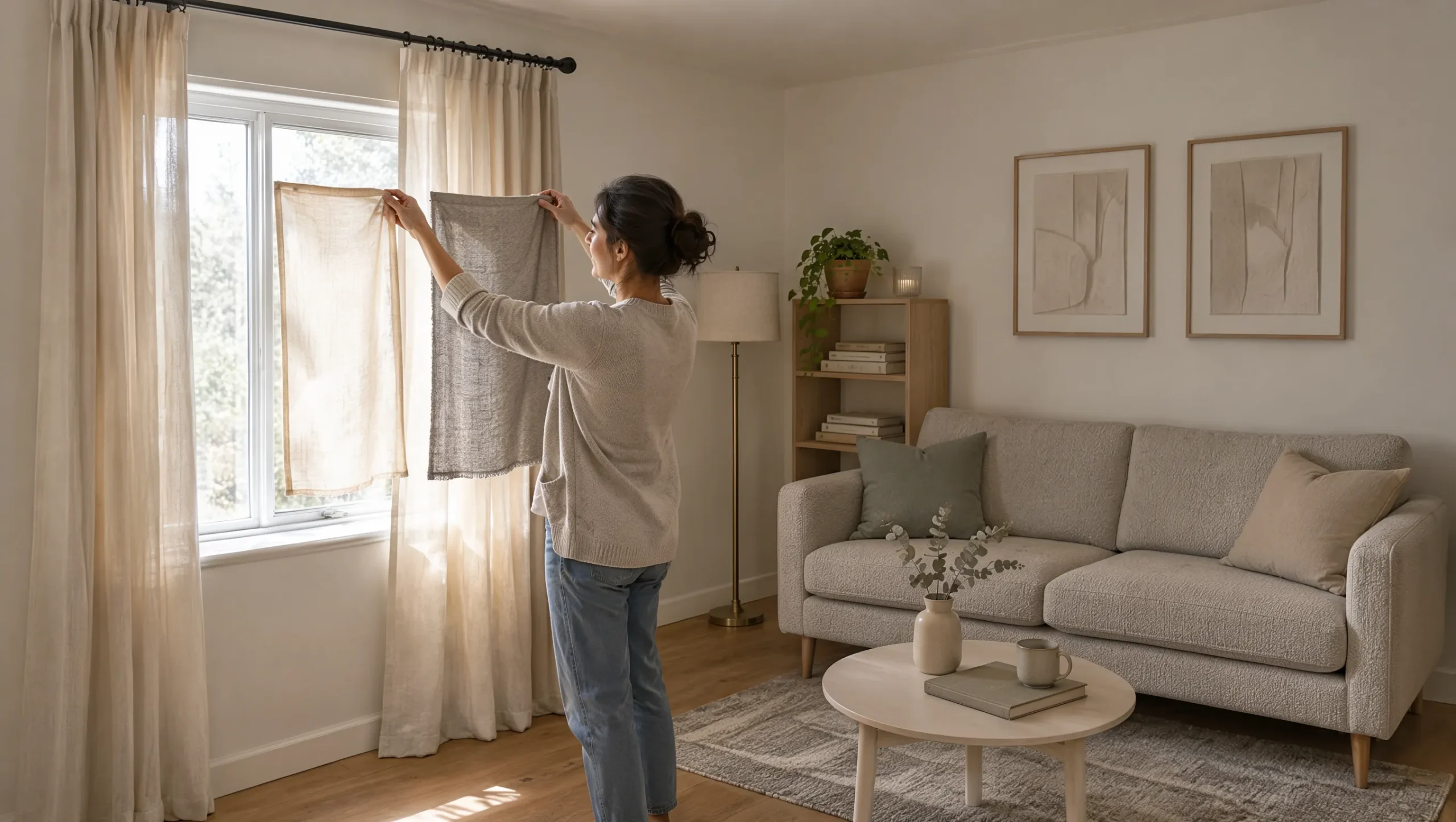
The installation method matters just as much as the curtain material. Poorly positioned rods and bulky hardware can make windows appear smaller than they are. A streamlined arrangement helps maximize available wall space while keeping the overall design practical.
Hanging curtains higher and wider can improve the perceived proportions of windows. Interior designer Dina Holland recommends this approach to create a taller appearance and make windows feel more prominent. It is particularly useful in living rooms where visual space is limited.
Installing Curtains Higher
Mounting the curtain rod closer to the ceiling creates the impression of greater wall height. Choose panels long enough to reach near the floor for a continuous vertical appearance. Make sure the installation does not interfere with nearby furniture, window frames, or ceiling features.
Choosing Slim Curtain Rods
Slim curtain rods provide a simple alternative to oversized decorative hardware. Metal or minimal-profile rods can complement modern interiors without attracting too much attention. Select suitable brackets and supports to keep the installation secure and visually balanced.
Layering Curtains Without Crowding Windows
Layering sheer and heavier curtains provides flexible control over daylight and privacy. However, too many fabric layers can make a small window look bulky. Use lightweight panels and a suitable double rod or track to keep the arrangement neat and functional.
Refresh Your Living Room With the Right Curtains
The right curtains can transform how a compact living room looks and feels without requiring major changes. Accurate measurements, lighter fabrics, coordinated colors, and streamlined installations help create a brighter atmosphere. Small adjustments to curtain placement can also improve the way natural light reaches your interior.
You do not need elaborate window treatments to refresh your space. Choose curtains that complement your furniture, support your privacy needs, and make the room feel more inviting. Give your living room a fresh look with the right curtains.